
Complete Guide to SMT Production Lines: Process, Machines and Major Brands
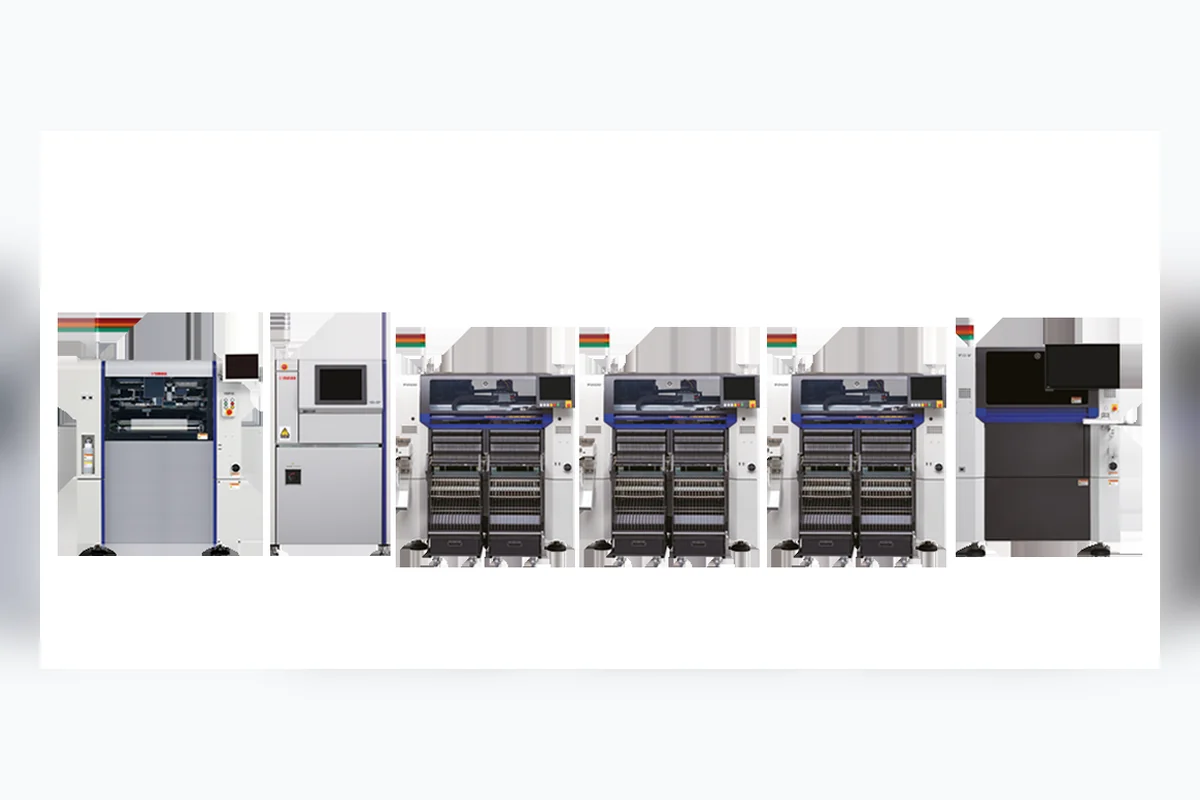
An SMT production line assembles surface-mount components onto printed circuit boards through solder paste printing, inspection, component placement, reflow soldering and final inspection. Loaders, conveyors, material systems and software connect those processes. Correct line design depends on product mix, output, defect risk, traceability and changeover frequency.
# Complete Guide to SMT Production Lines: Process, Machines and Major Brands
An SMT production line assembles surface-mount components onto printed circuit boards through solder paste printing, inspection, component placement, reflow soldering and final inspection. Loaders, conveyors, material systems and software connect those processes. Correct line design depends on product mix, output, defect risk, traceability and changeover frequency.
The Complete Process
| Stage | Equipment | Main control |
|---|---|---|
| Board input | Loader and conveyor | Correct board, stable transfer |
| Printing | Solder paste printer | Deposit position, area, height and volume |
| Paste inspection | 3D SPI | Print defects and drift |
| Placement | Chip and flexible mounters | Correct part, position and orientation |
| Reflow | Multi-zone oven | Valid thermal profile and solder joints |
| Inspection | AOI, X-ray as required | Component and joint defects |
| Test/output | ICT, functional test, unloader | Verified finished assembly |
JUKI’s official overview describes the same relationships from printing through inspection. See JUKI SMT process.
What Each Process Contributes
The printer deposits paste through a stencil. SPI measures the print before costly parts are placed. Mounters feed, recognize and place components. Reflow heats the assembly according to a measured product profile. AOI evaluates visible features, while X-ray and electrical tests address evidence optical inspection cannot provide.
Handling equipment is also process equipment. Poor rails, belts, clamps or support can cause print and placement variation. Software connects programs, material verification, traceability and maintenance, but data is only useful when reaction rules are defined.
How to Size a Line
Start with boards per hour, placements per board, component range, lot size and available production time. Simulate every station, including changeover, reel replenishment, inspection and operator response. The slowest sustained process sets line output.
Request written evidence for:
- representative board and BOM;
- configured cycle time rather than maximum catalog CPH;
- feeder, nozzle and tray plan;
- printer and inspection acceptance results;
- oven thermal-profile window;
- labor, utilities and floor space;
- software, service, training and critical spares.
Major Platform Brands
ASMPT/SIPLACE, Fuji, Panasonic, Yamaha, JUKI and Hanwha are widely encountered placement platforms. Printer, inspection, reflow and handling markets also include specialist suppliers. Compare configured equipment and local support, not logos. Current starting points include JUKI products and Fuji products.
Common Planning Mistakes
- sizing from theoretical CPH alone;
- omitting feeders, nozzles and changeover carts;
- testing only an easy board;
- ignoring board support and line balance;
- buying inspection without a review standard;
- approving oven setpoints without profiling the product;
- overlooking software ownership and obsolete spares.
FAQ
What equipment is essential?
At minimum, printing, placement, reflow and board handling. SPI, AOI, X-ray and electrical tests are selected according to product risk and evidence needs.
Can different brands form one line?
Yes, when mechanical transfer, signals, data interfaces and support responsibilities are verified.
What should be acceptance-tested?
Sustained output, process results, changeover, errors, traceability and recovery using representative products.
SMTBase is an independent parts supplier. Brand references do not imply authorization.
Primary Sources
Need help identifying an SMT replacement part?
Send the machine model, part number and clear label photos. SMTBase will review the available sourcing options.
Contact SMTBase →