
Major SMT Equipment Brands and Machine Series: A Practical Guide
Major SMT placement brands include ASMPT/SIPLACE, Fuji, Panasonic, Yamaha, JUKI and Hanwha. Each offers multiple generations and configurations for high-speed, flexible or specialized production. A useful comparison starts with the factory's boards, components, changeovers and support needs; a brand-level ranking cannot identify the best configured line.
# Major SMT Equipment Brands and Machine Series: A Practical Guide
Major SMT placement brands include ASMPT/SIPLACE, Fuji, Panasonic, Yamaha, JUKI and Hanwha. Each offers multiple generations and configurations for high-speed, flexible or specialized production. A useful comparison starts with the factory’s boards, components, changeovers and support needs; a brand-level ranking cannot identify the best configured line.
Current Platform Examples
| Brand | Example current families | Questions for buyers |
|---|---|---|
| ASMPT / SIPLACE | SIPLACE placement and line software families | Local support, existing feeder base, configuration |
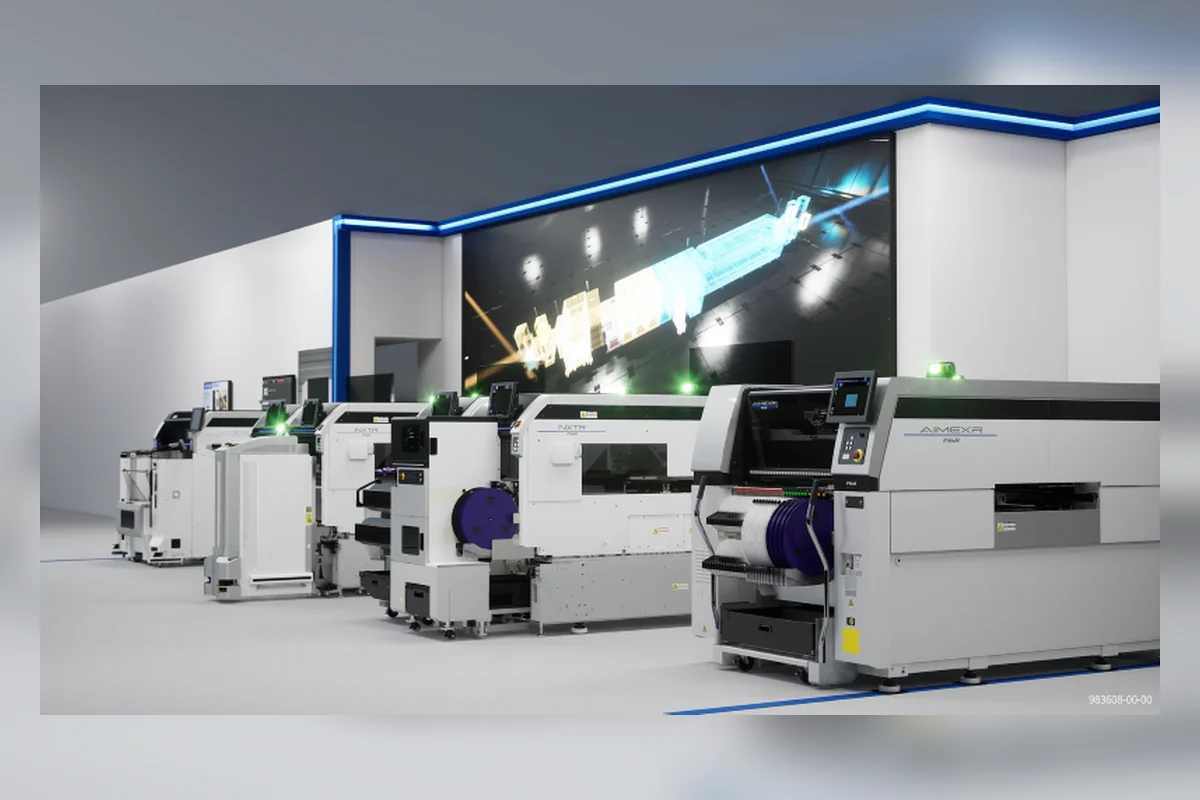
| Fuji | NXTR, NXT and AIMEX/AIMEXR | Module/head choice, automation, feeder strategy |
| Panasonic | NPM family | Head mix, dual-lane needs, installed ecosystem |
| Yamaha | YRM platform and 1 STOP SMART SOLUTION | Printer/inspection integration, service network |
| JUKI | RX, RS and LX families | High-speed/flexible balance, RF feeders, software |
| Hanwha | HM, XM, DECAN and installed SM generations | New versus legacy support, feeder and parts availability |
Official current product pages should be checked at the time of purchase because configurations change. Useful starting points include JUKI products, Fuji mounters, Panasonic FA products and Hanwha products.
Compare Platforms, Not Logos
Request the head configuration, feeder plan, board mode, component range, vision options, software, utilities, cycle-time simulation and acceptance method. Manufacturer CPH figures use stated conditions and are not directly comparable without the same board and BOM.
Also calculate lifetime constraints:
- feeder and nozzle investment;
- program and library migration;
- local service response;
- operator and maintenance skills;
- software licensing and data access;
- critical spare availability;
- support for installed legacy machines.
New Versus Legacy Series
Legacy equipment can remain productive when process capability, service and spares are controlled. It may fit stable products and existing skills. Risks include obsolete controllers, cameras, drives, computers and proprietary calibration tools. Check support before adding another used machine merely because feeders can be reused.
FAQ
Which SMT machine brand is best?
There is no universal best brand. Compare representative production, service, installed assets and lifetime cost using written acceptance criteria.
Can feeders be shared across every series from one brand?
No. Mounting interfaces, generations, protocols and adapters can differ even within one brand.
Should a factory standardize on one brand?
Standardization can reduce training and spare variety, but only if the platform covers the product mix and support remains suitable.
Primary Sources
Need help identifying an SMT replacement part?
Send the machine model, part number and clear label photos. SMTBase will review the available sourcing options.
Contact SMTBase →