
Guía sobre impresoras de pasta de soldadura: proceso, configuración y selección
Una impresora de pasta de soldadura alinea una placa de circuito impreso con una plantilla y transfiere depósitos controlados de pasta de soldadura a las almohadillas de los componentes. La calidad de impresión depende del diseño de la plantilla, el comportamiento de la pasta, el soporte de la placa, la alineación, la presión y la velocidad de la rasqueta, la separación y la limpieza. Elige una impresora en función de la ventana de proceso del producto, no solo del tiempo de ciclo.
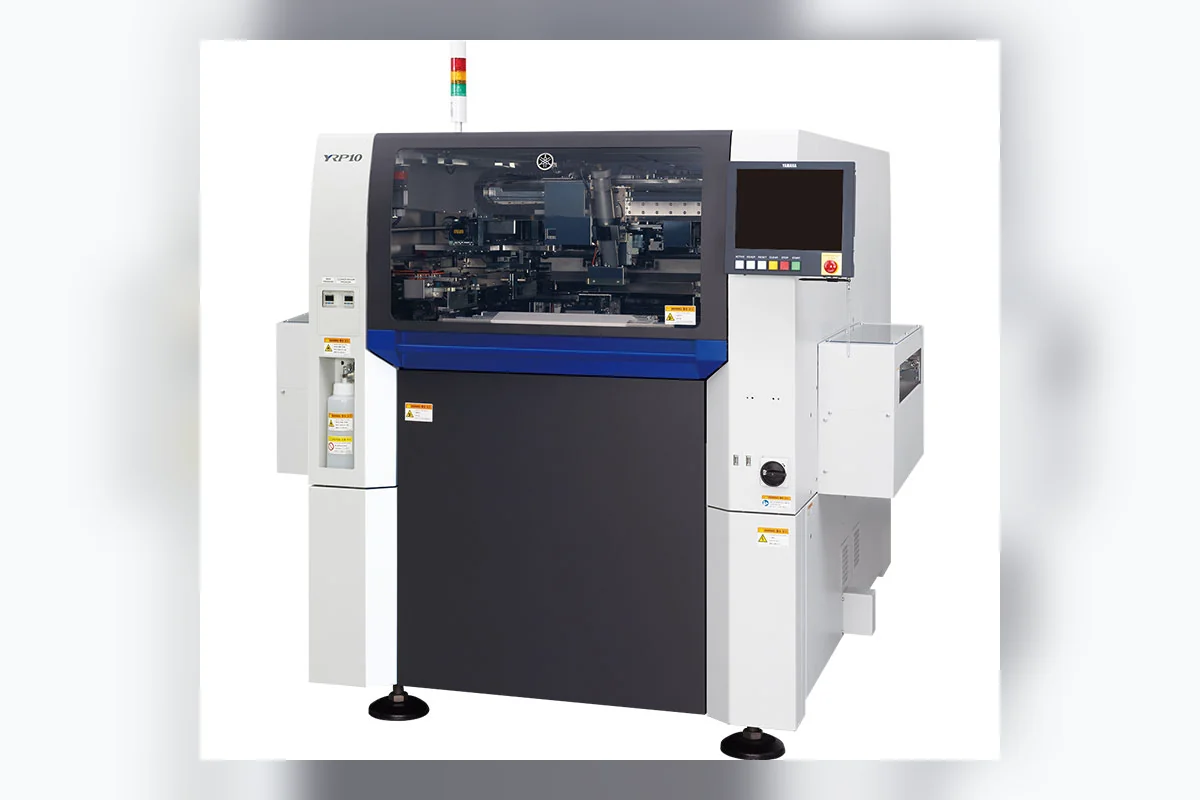
Guía de la impresora de pasta de soldadura #: proceso, configuración y selección
Una impresora de pasta de soldadura alinea una placa de circuito impreso con una plantilla y transfiere depósitos controlados de pasta de soldadura a las almohadillas de los componentes. La calidad de impresión depende del diseño de la plantilla, el comportamiento de la pasta, el soporte de la placa, la alineación, la presión y la velocidad de la rasqueta, la separación y la limpieza. Elige una impresora en función de la ventana de proceso del producto, no solo del tiempo de ciclo.
Ciclo de impresión y controles
La impresora carga y sujeta la placa de circuito impreso, lee los puntos de referencia, sujeta la placa, extiende la pasta a través de las aberturas de la plantilla, separa la plantilla y limpia su parte inferior cuando es necesario. La impresora de JUKI Página RP-2 ilustra las funciones actuales, entre las que se incluyen la reposición de pasta, la supervisión de los rollos y la inspección de las aberturas.
| Control | Efecto típico cuando se comete un error |
|---|---|
| Alineación | Los depósitos se desplazan de las almohadillas |
| Presión | Llenado incompleto, acumulación de material o desgaste de la plantilla |
| Velocidad | Llenado deficiente de la abertura o rodadura inestable |
| Separación | Manchas o liberación incompleta |
| Apoyo de la junta directiva | Variación local y flexibilidad de la tabla |
| Limpieza | Aberturas obstruidas o suciedad en la parte inferior |
Los ajustes interactúan entre sí. Una mayor presión puede ocultar una abertura obstruida y, al mismo tiempo, acelerar el desgaste.
Defectos habituales
- Cantidad insuficiente de pasta: comprueba la plantilla, el estado de la pasta, la presión, la velocidad y la liberación.
- Puentes: comprueba la parte inferior de la plantilla, el espacio libre, el hundimiento y la separación.
- Desviación: comprueba las marcas de referencia, las abrazaderas, la deformación de la placa y el soporte.
- Desviación de volumen: comprueba el rodillo de pasta, el tiempo de exposición, la limpieza y el desgaste de la plantilla.
- Variaciones locales: comprueba los pasadores de soporte, la deformación, las juntas y el diseño de la abertura.
Las tendencias del SPI deben agruparse por ubicación y hora, de modo que el departamento de ingeniería pueda distinguir los patrones de diseño y utillaje de las variaciones en los materiales o en las máquinas.
Selección y aceptación
Confirma la gama de placas y plantillas, la precisión, el método de soporte, los modos de limpieza, el control de la pasta, la trazabilidad, el tiempo de ciclo y la información de retorno del SPI. Prueba la placa más compleja y mide los depósitos con el SPI. Incluye la creación de programas, el cambio de serie, la limpieza y la producción en serie.
Fuji afirma que su gama de impresoras utiliza sistemas de control de presión y limpieza para contrarrestar la deformación de las placas y las variaciones en los materiales. Estas características deben demostrarse en el producto al que van destinadas. Véase Impresoras Fuji.
Preguntas frecuentes
¿Puede SPI corregir una impresión defectuosa?
El SPI puede dar lugar a correcciones en el proceso; no repara la pasta ya impresa en una placa defectuosa.
¿Qué debe incluir una solicitud de presupuesto para una impresora?
Planos de placas, marco de plantilla, aberturas más pequeñas, pasta, producción, cambios de modelo, soporte, inspección y trazabilidad.
Fuentes primarias
¿Necesitas ayuda para identificar una pieza de recambio SMT?
Envía el modelo de la máquina, el número de referencia y unas fotos nítidas de las etiquetas. SMTBase analizará las opciones de suministro disponibles.
Contactar con SMTBase →